
Stay Cozy, Not Crowded: Your Guide to Winter Wildlife-Proofing Your Home
As the temperatures begin to drop across the Front Range, we all start looking for ways to keep our homes warm and cozy. Unfortunately, we aren't the only ones. Local wildlife, from tiny mice to resourceful raccoons, are also searching for a safe, warm place to ride out the winter. For many of these critters, an unprepared home looks like the perfect seasonal rental. Taking proactive steps to winterize your property is the single most effective way to prevent unwanted animal guests from moving in.
This guide will walk you through the essential steps for securing your Colorado Springs home against winter wildlife. By identifying and sealing potential entry points, you can protect your property from damage, safeguard your family’s health, and ensure your peace of mind throughout the colder months.
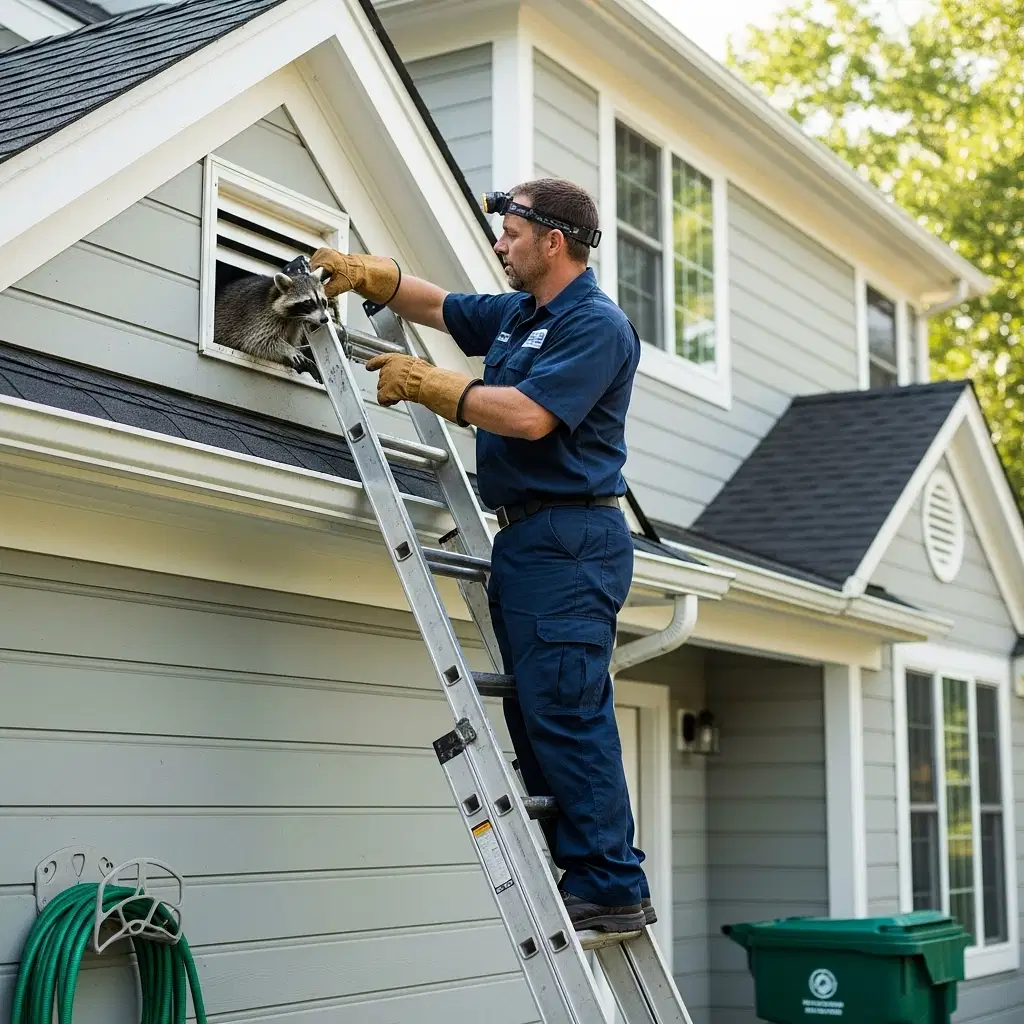
Why Winter Attracts Unwanted Guests
Understanding why animals are drawn to our homes in the first place is key to effective prevention. As natural food sources become scarce and the weather turns harsh, wildlife seeks three things: warmth, food, and shelter from predators. Your home offers all three in abundance.
Common winter intruders in our area include:
- Rodents: Mice and rats can squeeze through incredibly small openings—a mouse only needs a hole the size of a dime. They often nest in attics, basements, and wall voids.
- Raccoons: These intelligent animals are excellent climbers and can exploit weaknesses in your roof, chimney, or attic vents to gain entry.
- Squirrels: Like raccoons, squirrels often access homes from above, seeking shelter in attics where they can cause significant damage to insulation and wiring.
- Skunks: While less likely to enter the main house, skunks are notorious for making their dens in the warm, protected spaces under decks, sheds, and porches.
The risks associated with a wildlife intrusion go beyond the unsettling noises in the night. These animals can chew through electrical wires, creating serious fire hazards. They can destroy insulation, leading to higher energy bills. Furthermore, their droppings and the parasites they carry can pose significant health risks to your family and pets.
Your Exterior Home Inspection Checklist
Before the first heavy snow, take a walk around your property with a critical eye. Sealing your home's envelope is the most crucial part of winterization. Here’s what to look for:
- Foundation and Siding: Carefully examine the entire foundation for cracks or gaps. Check where the siding meets the foundation and look for any openings, especially around corners.
- Roof, Soffits, and Vents: Inspect your roof for any damaged shingles or loose flashing. Ensure that all vents—including attic, gable, and dryer vents—are covered with durable, professional-grade screening that animals can't chew through.
- Chimneys: If you have a chimney, make sure it is properly capped. An open chimney is a welcome sign for raccoons, squirrels, and birds.
- Doors and Windows: Check the seals and weather stripping around all exterior doors, including the garage door. Replace any that are worn or damaged to close small gaps.
- Utility Entry Points: This is one of the most common access points. Inspect every spot where pipes, electrical wiring, and cable or internet lines enter your home. Small gaps around these utilities should be sealed with a combination of steel wool (which rodents won't chew) and a durable sealant.
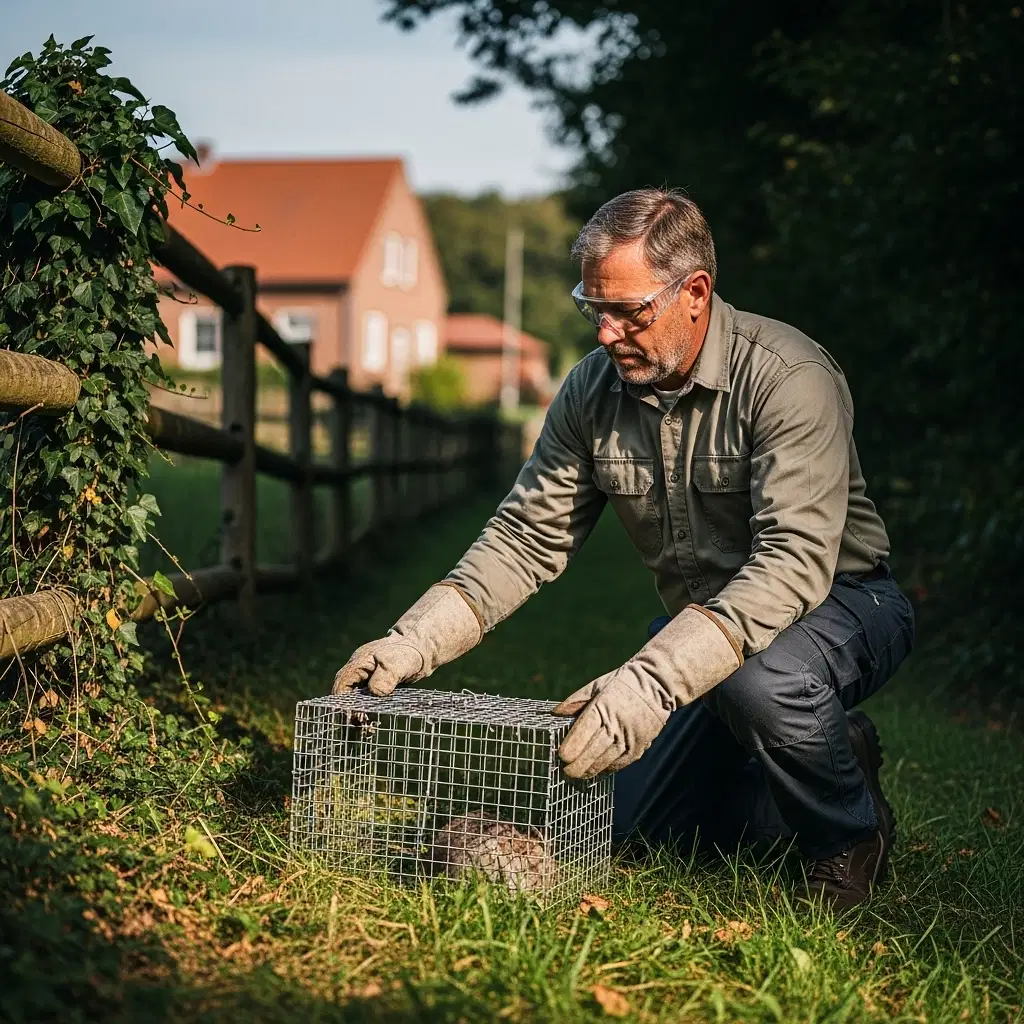
Secure Your Yard and Outdoor Structures
Your home itself isn't the only area that needs attention. Your yard can either attract or deter wildlife. Making your property less inviting is a key preventative step.
- Under Decks and Porches: The dark, sheltered space beneath a deck or porch is prime real estate for skunks and raccoons. Installing professional-grade exclusion barriers, like sturdy mesh fencing that extends below the ground, is the most effective way to block access. This is a core component of our protection fencing services.
- Firewood and Debris: Keep firewood piles stacked neatly at least 20 feet away from your house. Remove any piles of leaves, brush, or other debris that could provide cover for critters.
- Trash and Compost: Ensure all trash cans have tight-fitting, secure lids. If you have a compost pile, use a container that is animal-proof and avoid adding meat or dairy scraps.
- Trim Overhanging Branches: Trees and large shrubs can act as a natural ladder to your roof for squirrels and raccoons. Trim any branches that are within 10 feet of your roofline.
When to Call a Professional
While these DIY inspection and prevention tips are highly effective, some situations require professional expertise. If you discover an animal has already made a home on your property, attempting to remove it yourself can be ineffective and even dangerous. Animals like raccoons and skunks can become aggressive when they feel threatened or cornered.
A professional wildlife control expert has the training and equipment to handle these situations safely and humanely. We can identify all potential entry points—even the ones you might miss—and use the correct materials to ensure a permanent fix. For animals that are already inside, we provide humane wildlife removal and relocation services in accordance with local regulations.
Investing in professional winterization and exclusion is an investment in protecting your home's value and your family's well-being.

Enjoy a Critter-Free Winter
Taking the time to winterize your home is the best way to ensure that you and your family are the only ones enjoying its warmth this season. A thorough inspection and sealing of your home's exterior, combined with smart yard maintenance, creates a powerful defense against winter wildlife.
Don't wait until you hear scratching in the walls. If you've found potential entry points or want an expert assessment of your Colorado Springs property, contact No Moore Pests today. We specialize in professional wildlife exclusion and humane removal services to keep your home secure all winter long. Get in touch with us for a consultation.